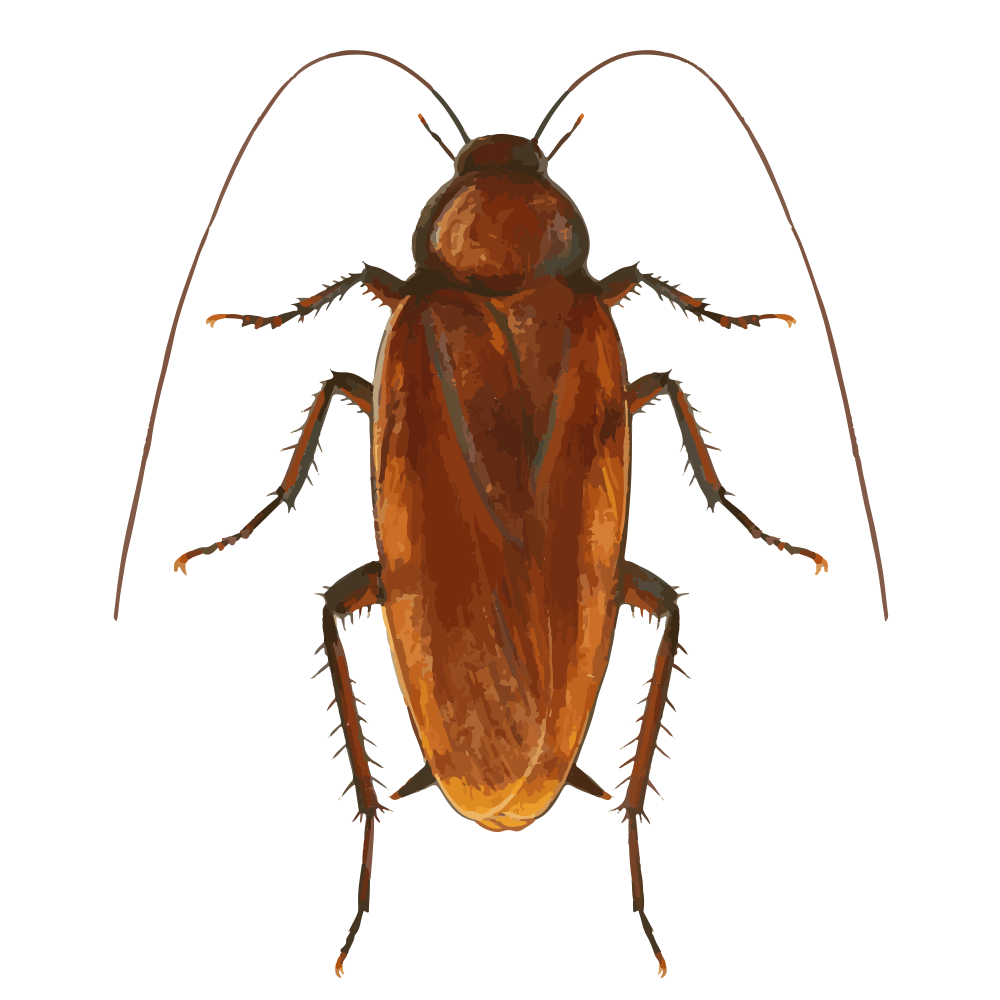
 German Cockroaches
What they are
German cockroaches are small (½–⅝ inch long), light brown to tan insects with two dark parallel stripes behind their heads. They are the most common indoor cockroach species, and they spread quickly.
- Reproduce rapidly (up to 300 offspring per year)
- Prefer warm, humid environments
- Hide in cracks, crevices, and appliances
- Active primarily at night
Why pesticide resistance matters
German cockroaches have developed resistance to many common pesticides, which is why traditional one-shot treatments stop working over time.
- Multiple resistance genes passed to offspring
- Resistance to pyrethroid insecticides is widespread
- Effective control requires integrated pest management
- Treatment methods must be rotated, not repeated
Health risks
Cockroach infestations are not just a nuisance — they have measurable health consequences for residents:
- Allergens: trigger asthma and allergies
- Disease: spread E. coli and Salmonella
- Contamination: contaminate food and surfaces
- Bacteria: carry 33+ bacterial species
- Parasites: can harbor parasitic worms
Quality-of-life impact
- Asthma attacks, especially in children
- Allergic reactions and skin rashes
- Unpleasant odor from large infestations
- Property damage to paper products and fabrics
- Psychological stress and reduced property values
Learn more
NPMA German Cockroach Guide · AAFA Cockroach Allergy Info · Penn State Extension Guide
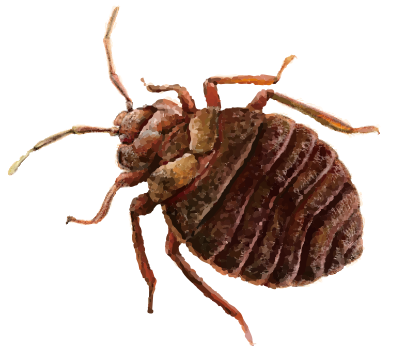 Bed Bugs
Bed bugs are small, reddish-brown insects that feed on human blood, typically at night. They are not currently a building-wide issue, but they spread quickly between units once introduced, so early identification matters.
Identification
- Size of an apple seed (4–5mm)
- Flat, oval-shaped bodies
- Hide in mattress seams and furniture joints
- Leave dark fecal spots on bedding
Health impact
- Itchy, red bite marks
- Allergic reactions possible
- Sleep disruption and anxiety
- Secondary skin infections from scratching
Prevention
- Inspect secondhand furniture before bringing it in
- Use mattress encasements
- Reduce clutter, especially around the bed
- Report sightings immediately — don't wait to be sure
Spotted a pest problem?
Early reporting is the single most useful thing residents can do. It lets us address issues while they're still small and prevent spread to neighboring units.
Report a sighting